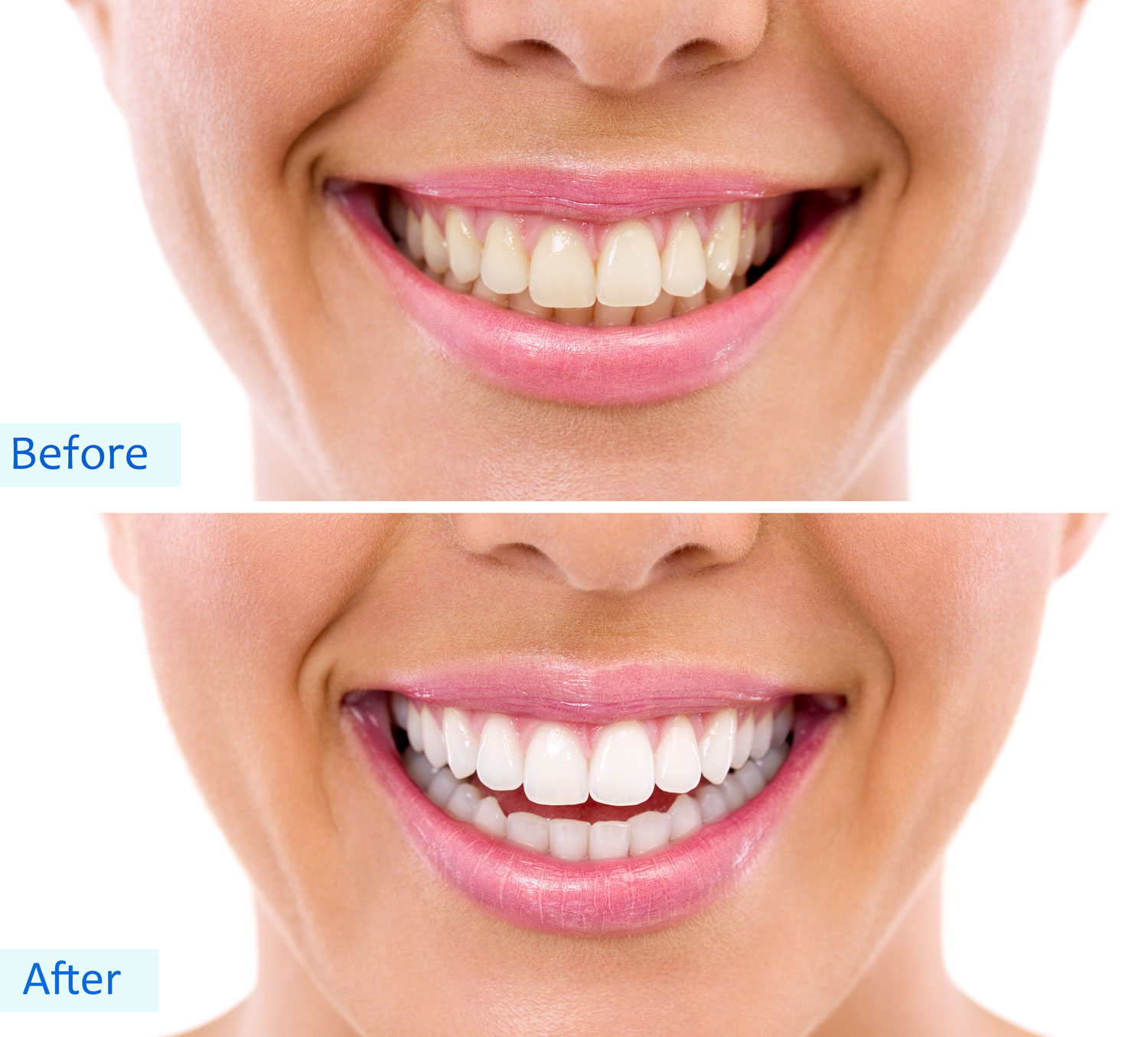
Teeth whitening

Teeth whitening

Dental discoloration is a cosmetic epidemic that millions of people from all over the world suffer from in varying levels. Even those who brush regularly, gargle often, and floss after every meal may find that the passage of time, aging, environmental factors, and the food that they eat will eventually take their toll on their pearly whites. It’s unavoidable, almost. Just like aging, taxes, and death.

Today, you have more whitening options than ever before. Although there are many over-the-counter products to choose from, professional, dentist- supervised treatment is safer and offers more dependable results. Many cosmetic dentists offer both in-office and at-home treatment options from reputable, trusted manufacturers.

What to Know Before You Start:

Start with Healthy Teeth

You can’t remodel the kitchen if there’s dry rot in the floor boards. Whitening your teeth when you have gum disease, exposed roots, cavities, crooked teeth, gum recession, or other untreated issues can cause further pain and problems, plus you’ll have wasted your time and money since the whitening likely won’t take on damaged teeth. An ethical dentist will tell you this and not take your money before fixing problems first.

Be Prepared for Tooth Sensitivity

One common side effect of teeth whitening is sensitivity in the 24 hours after your teeth have been exposed to whitening gel. You can take a pain reliever like ibuprofen if the sensitivity is too much to bear.

It Doesn’t Last Forever
Teeth are always yellowing as part of the aging process. They’re also always becoming stained by the foods and drinks we consume. No matter where or how you whiten your teeth, it won’t last forever. Most results last from 6 months up to 2 years, but it all depends on how easily your teeth stain as well as your diet. There’s also a rebound effect, where teeth will relapse slightly in shade. You may be whitening your teeth and stop at a certain point once you’re happy with the results, but I would recommend going a bit beyond that thanks to the rebound effect.

Here are different methods to safely bleach your teeth:

Bleaching Strips
Best suited for those with light to moderate staining or discoloration. They are small, thin and flexible, virtually invisible strips that are coated with a peroxide-based whitening gel, the same whitening agent used in the more expensive treatments - is wrapped around the teeth.
For roughly half an hour each day, for approximately 4 weeks, these strips are worn. Wearing them for this amount of time allows the whitening gel to penetrate and break down the discoloration.

Some people report results within as little as two weeks, but don’t be surprised if you find that you’re using them for longer and heading out to buy a second round of treatment.

Custom bleaching trays
With dentist-supervised at-home bleaching products, your dentist will take an impression of your teeth and make a mouthpiece tray that is customized to exactly fit your teeth. This customization allows for maximum contact between the whitening gel, which is applied to the mouthpiece tray, and the teeth. A custom-made tray also minimizes the gel's contact with gum tissue.
The tray is worn for a period of time, generally from half an hour a day to every day during the night for up to two weeks and even longer (depending on the degree of discoloration and desired level of whitening).

In our office, we generally use the tray system since it gives the most flexibility to our patients and is easy to touch up every few months to maintain that sparkle.

In-Office Whitening

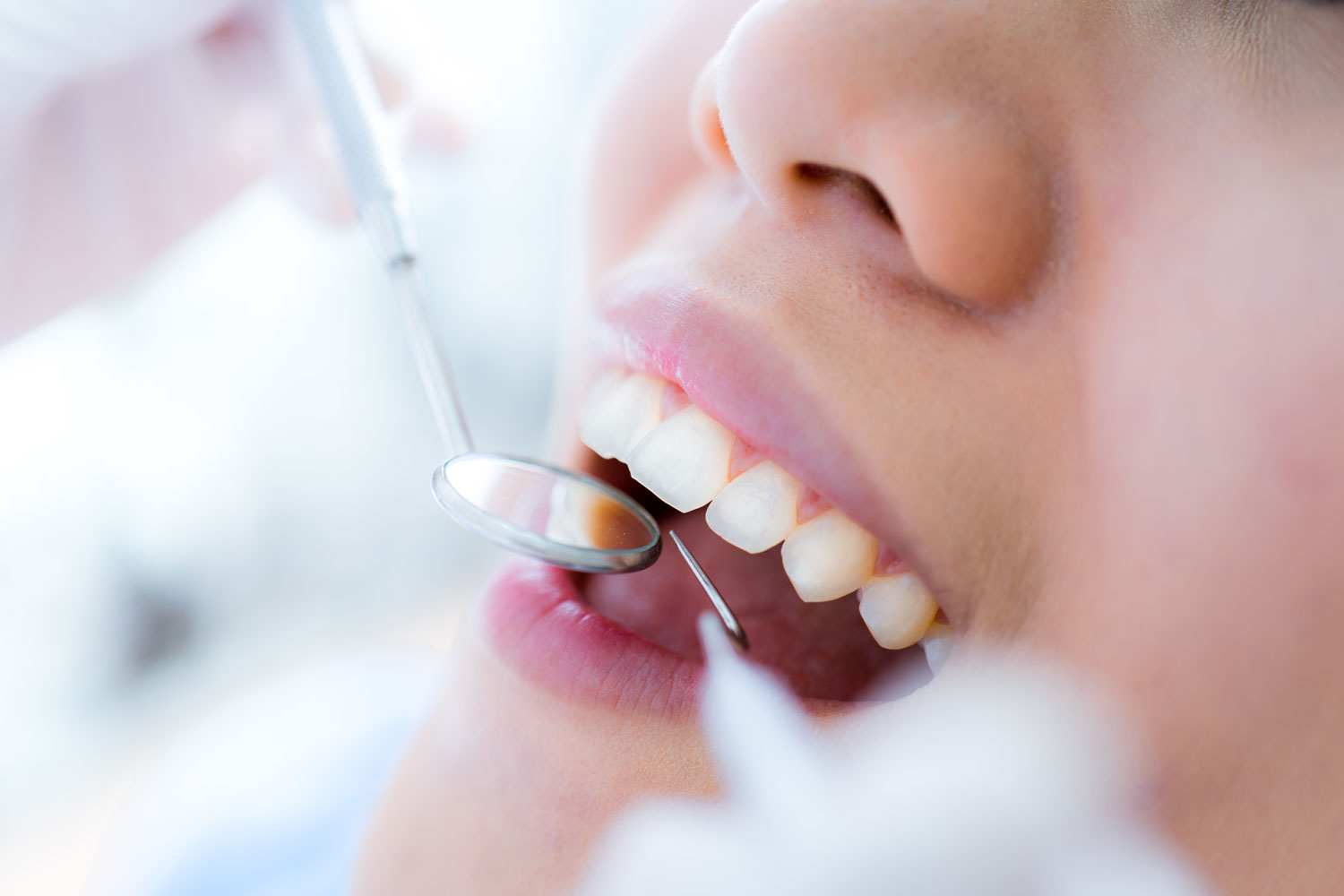
In-office bleaching provides the quickest way to whiten teeth. With in-office bleaching, the whitening product is applied directly to the teeth (while protecting the gums and mouth with a dental dam). These products can be used in combination with heat, a special light, or a laser, results are seen in only one, 30- to 60-minute treatment. But to achieve dramatic results, several appointments are usually needed. However, with in-office bleaching, dramatic results can be seen after the first treatment. This type of whitening is also the most expensive approach.

As I mentioned earlier, none of the results are permanent. In order to maintain the whiteness of your teeth, you have to use bleaching gel with a custom bleaching tray or the whitening strips every few months.