Preventive Dentistry

Preventive Dentistry

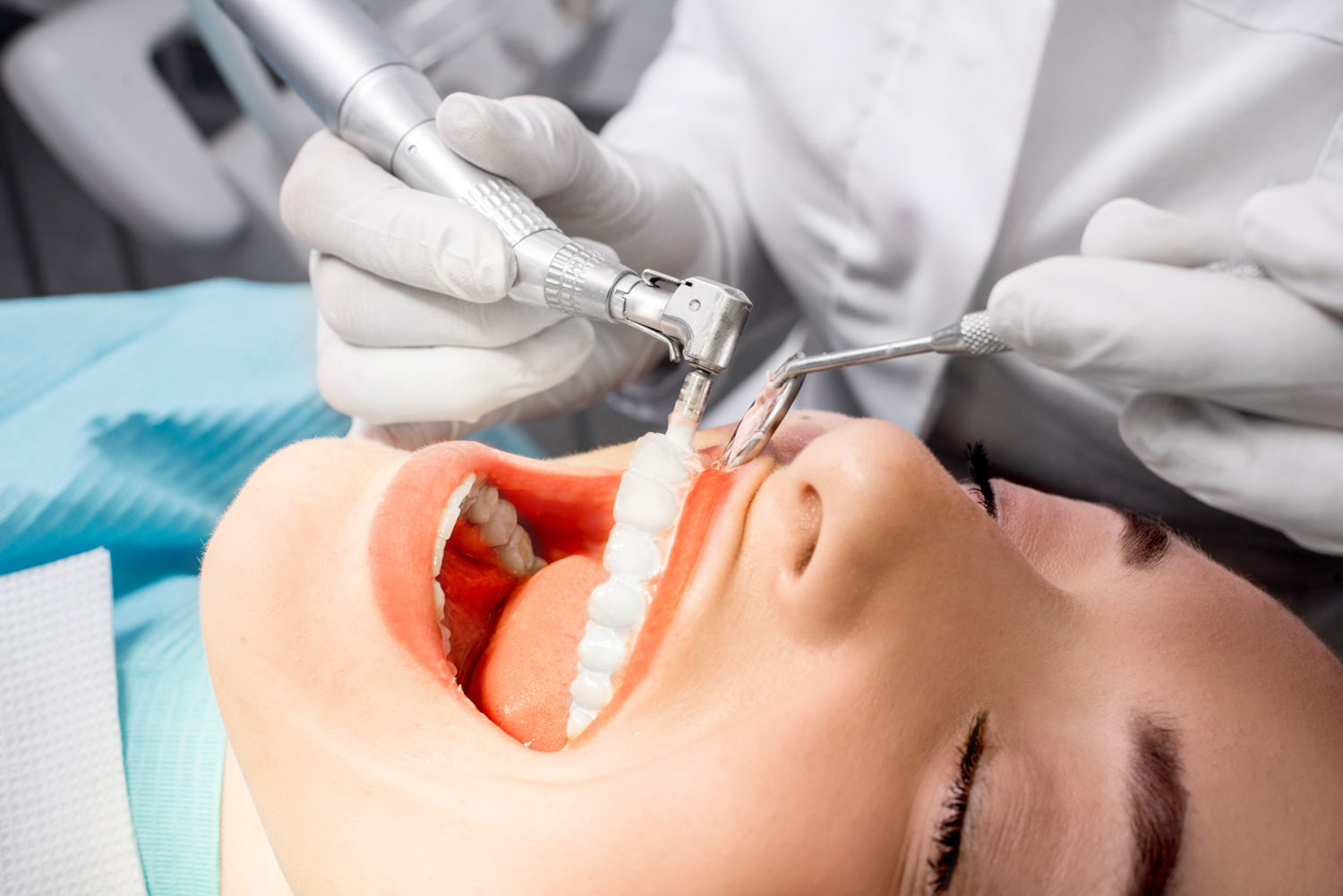
Preventive dentistry is the practice of caring for your teeth to keep them healthy. This helps to avoid cavities, gum disease, enamel wear, and more.

There are many forms of preventive dentistry, such as daily brushing and dental cleanings. To maintain optimal oral health, the American Dental Association (ADA) recommends visits to the dentist at regular intervals determined by a dentist. These practices are designed to ensure that teeth are clean, strong, and white. Children should be taught proper oral hygiene at an early age. Keep reading to learn more about the steps you can take to keep your teeth healthy.

Regular cleaning, exam and x-ray:

In order to avoid lengthy procedures and maintain a healthy, disease free mouth, we recommend recall visits every 6 months and annual check-up x-rays. This allows us to detect early signs of disease and provide appropriate treatment, leading to a favorable prognosis.

Oral Cancer Screening:

Dentists are often the first healthcare providers to recognize a number of illnesses — including cancer and cardiovascular problems. Oral cancer screening is an examination performed by a dentist to look for signs of cancer or precancerous conditions in your mouth. The goal of oral cancer screening is to identify mouth cancer early, when there is a greater chance for a cure. Most dentists perform an examination of your mouth during a routine dental visit to screen for oral cancer. Sometime dentists may use additional tests to aid in identifying areas of abnormal cells in your mouth.

Dental Sealants:

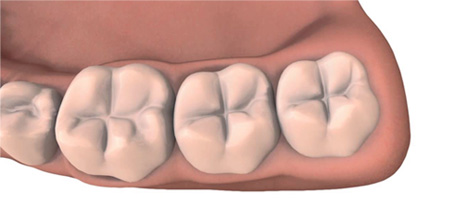
Sealants protect the occlusal surfaces, inhibiting bacterial growth and providing a smooth surface that increases the probability that the surface will stay clean. The ultimate goal of sealants is for the material to penetrate into the pit and fissures of the tooth and sealing them from bacterial invasion.

Fluoride Treatment:

Topical Fluoride is found in products containing strong concentrations of fluoride (i.e., toothpastes, mouth rinses), fluoridated varnishes and/or gels either topically applied by a dentist or other oral health professional or prescribed as an at-home regimen (particularly for persons with a high risk of dental caries).

Night Guards or Bruxism Appliance:

If you wake up with a sore neck, jaw pain, or find that you feel tired every morning, you could be experiencing bruxism, or grinding and clenching of thejaw. Bruxism is a serious disorder that can cause tightness and discomfort in the temporomandibular joint which can lead to pain while eating, yawning, or speaking. While many bruxers ignore the numerous symptoms associated with grinding and clenching their teeth, bruxism can be easily alleviated with the use of a night guard. Hard night guard is made of a clear hard acrylic that fits either on the upper or lower arch. They are a common tool to curb sleep bruxism, and are also known as “deprogrammers,” as they train individuals to avoid clenching throughout the night. By creating a protective layer between the upper and lower dentition, night guards prevent harmful occlusion such as shifting and grinding throughout the night. Through continuous use, night guards train the teeth and jaw muscles to relax, while aligning the jaw to prevent locking and clenching.